Spike
Eurynia dilatata
Taxonomy
Frequently Asked Questions
- The scientific name of Spike is Eurynia dilatata.
- The Spike has a conservation status of Least Concern.
- Spike belongs to the kingdom Animalia.
- Spike belongs to the phylum Mollusca.
- Spike belongs to the class Bivalvia.
- Spike belongs to the order Unionida.
- Spike belongs to the family Unionidae.
- Spike belongs to the genus Eurynia.
What is the scientific name of Spike?
What is the conservation status of Spike?
What kingdom does Spike belong to?
What phylum does Spike belong to?
What class does Spike belong to?
What order does Spike belong to?
What family does Spike belong to?
What genus does Spike belong to?
In the News
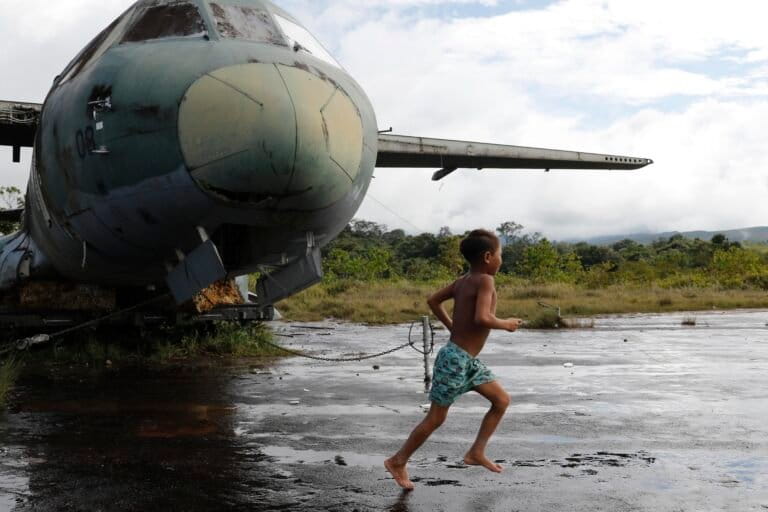
Scientists use mining data to build malaria alert system in the Amazon
A 1% increase in illegal mining led to a 24% spike in malaria cases among the Yanomami, prompting a new data-driven defense.
Mongabay · 9/1/2026

‘They will do it legally or illegally’: Interview with James Giahyue on Liberia’s cocoa boom
In 2024, the price of cacao on world markets spiked dramatically, nearly quintupling from what it had been a year earlier. Prices have since dropped, but along with a land crunch in Côte d’Ivoire, the world’s top producer of the commodity, the prospect of high financial rewards have helped to drive a rapid expansion of […]
Mongabay · 8/26/2026

Forests in Liberia are falling to cocoa, in half a year the EU could ban imports
On this week’s episode of the Mongabay Newscast, we speak with features writer Ashoka Mukpo, who traveled to southeastern Liberia to investigate what satellite images indicated was a spike in deforestation over a relatively concentrated period. Along with video production coordinator Juan Maza, Mukpo documented illegal cacao plantations in the rainforests in the county of […]
Mongabay · 7/28/2026

Fire surge threatens Indigenous livelihoods and isolated peoples in Brazil
In 2025, fires were responsible for a significant spike in forest loss in three territories in Brazil that are home to Indigenous peoples living in voluntary isolation, according to Global Forest Watch data analyzed by Mongabay. Indigenous leaders from the Alto Turiaçu, Uru-Eu-Wau-Wau, and Apiaká do Pontal e Isolados Indigenous territories, told Mongabay that fire […]
Mongabay · 6/24/2026

Advocates decry Trump’s plan to open 24m acres of federal lands to cattle grazing
Opponents say administration’s plan prioritizes big agriculture at expense of wildlife and protected species New legal action aims to head off a Trump administration plan to open up to 24m acres of federal lands to cattle grazing, which opponents characterized as a gift to big agriculture and said could cause a spike in deaths among already imperiled wolves, grizzlies, steelhead salmon and other wildlife. The plan also calls for opening up parts of Grand Canyon national park, and other sensitive landscapes. Cattle destroy critical habitats for wildlife because they strip land bare of essential vegetation and pollute streams with feces, urine, sediment and carcasses. Meanwhile, park rangers and ranchers often kill grizzly bears and other predators who prey on cattle, despite that ranchers and the government pushed the cattle into the predators’ home range. Continue reading...
The Guardian Environment · 5/11/2026