Sheep
Ovis aries
Taxonomy
About
Frequently Asked Questions
- The scientific name of Sheep is Ovis aries.
- The Sheep has a conservation status of NNA.
- Sheep belongs to the kingdom Animalia.
- Sheep belongs to the phylum Chordata.
- Sheep belongs to the class Mammalia.
- Sheep belongs to the order Artiodactyla.
- Sheep belongs to the family Bovidae.
- Sheep belongs to the genus Ovis.
What is the scientific name of Sheep?
What is the conservation status of Sheep?
What kingdom does Sheep belong to?
What phylum does Sheep belong to?
What class does Sheep belong to?
What order does Sheep belong to?
What family does Sheep belong to?
What genus does Sheep belong to?
In the News
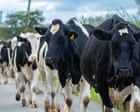
Great Britain’s worst-ever bluetongue season ‘a major animal welfare crisis’
British Veterinary Association president tells MPs surge in cases putting farmers under severe pressure and stress The worst bluetongue season on record has been a major animal welfare crisis in Great Britain, MPs have been told, putting farmers under “severe emotional stress”. Bluetongue, a viral disease that affects sheep, cattle and goats, can cause fever, lesions, stillbirths and death. The tongue may go blue and protrude from the mouth. Continue reading...
The Guardian Environment · 11/3/2026
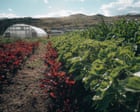
Colorado community fights plan to use drones to spray weed killer
Officials in Boulder County, Colorado, say they have a safe plan to wipe out invasive weeds, but some locals are concerned Soon, weed-killing chemicals will start falling from the sky over the Red Hill area of Boulder county, Colorado. The wildland is known for its biodiversity, home to hundreds of important species and a concentration of rare environmental resources. It is a key habitat for beloved herds of elk and bighorn sheep, with farms and ranchland lying at its base. Continue reading...
The Guardian Environment · 11/1/2026

Sustainable silvopasture is popular with US farmers despite waning financial supports
VERSHIRE, Vermont – When Sabra Ewing and Sebastian Lousada bought a tired dairy farm with pastures featuring old apple trees alongside sprouting maples, it was obvious that the grass below these trees’ crowns was a lot lusher than in the open. Then they noticed their sheep began to prefer those shady spots, and their manure […]
Mongabay · 10/21/2026
Sheep are disappearing from our hills - and our dinner plates
Have we have passed "peak sheep" in the UK?
BBC Science & Environment · 10/15/2026
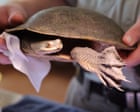
Rescued turtles return home after NSW government cut flows to wetland
Environmental water to the area was halted after a complaint from a private landholder, leading to the deaths of wildlife and sheep Follow our Australia politics live blog for latest updates Get our breaking news email, free app or daily news podcast Freshwater turtles rescued from a dried-up water hole in western New South Wales after the state government cut environmental water to the area are being returned home. Late last month, 10 broad-shelled turtles and three Murray River turtles were released back into the Gingham water hole in the state’s Gwydir region. Continue reading...
The Guardian Environment · 10/12/2026
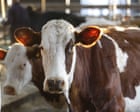
Worst ever outbreak of bluetongue hits British farms
Climate crisis blamed as virus that originated in Africa spreads to livestock as far north as Aberdeenshire British farmers are experiencing the worst bluetongue season on record, with the number of cases surpassing the past three years combined. The viral disease, which affects sheep and cattle among other animals, can cause fevers, ulcers, a swollen head and lameness. The tongue may go blue and even protrude from the mouth. In the most severe cases, the animal can die. Continue reading...
The Guardian Environment · 10/3/2026