Conservation Projects
Support conservation efforts around the world. Every contribution helps protect wildlife and their habitats.
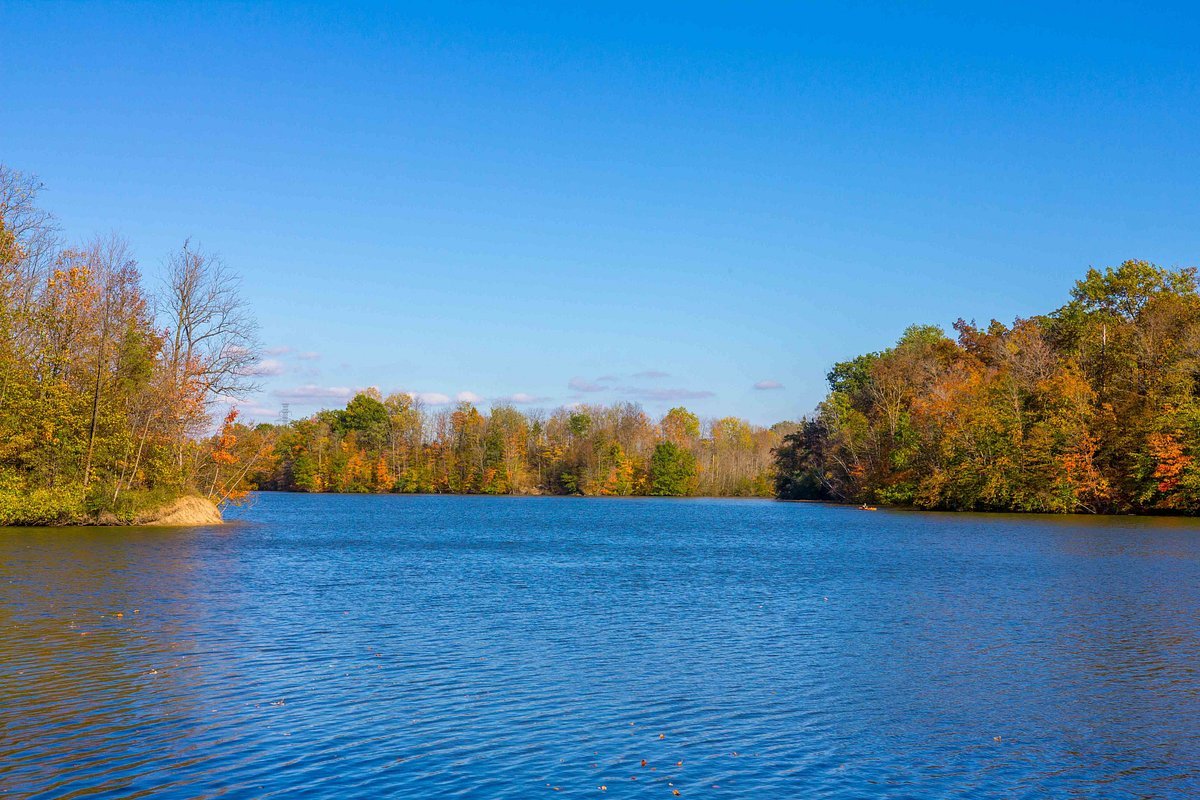
Sharon Creek Restoration
activeThe Sharon Creek restoration is an approximately $1.8 million environmental project led by the Mill Creek Alliance to rehabilitate nearly one mile of stream channel between Evendale and Sharonville. The initiative focuses on reversing years of severe erosion and habitat loss caused by fast-moving stormwater within its narrow 130-foot corridor. Key improvements include stabilizing steep streambanks with native vegetation and armor rock, reconnecting the stream to its natural floodplain to create pocket wetlands, and installing 16 rock riffles—mini rapids that boost oxygen for aquatic life. Additionally, the project clears invasive honeysuckle to make way for the future Sharon Creek multi-use trail, a segment of the Mill Creek Triangle Trail that will eventually connect Sharon Woods, Winton Woods, and Glenwood Gardens.

Erie Coastal Marine Sanctuary Initiative
activeThe Erie Coastal Marine Sanctuary Initiative aims to protect and restore vital marine ecosystems along the shores of Lake Erie. By establishing designated sanctuary areas, we seek to enhance biodiversity, promote sustainable fishing practices, and engage local communities in conservation efforts. This initiative will not only safeguard marine habitats but also boost ecotourism and recreational opportunities, fostering a healthier environment for future generations.
Las Animas Wildlife Corridor Initiative
activeThe Las Animas Wildlife Corridor Initiative aims to establish a vital network of protected pathways that facilitate safe wildlife movement across fragmented habitats. By restoring natural landscapes and creating linkages between critical ecosystems, this project will enhance biodiversity, support species migration, and promote ecological resilience in the region. Engaging local communities and stakeholders will ensure sustainable practices and foster a deeper connection to the natural environment.
Simpson Wildlife Corridor Initiative
activeThe Simpson Wildlife Corridor Initiative aims to establish a vital habitat link between fragmented ecosystems, promoting biodiversity and enhancing wildlife movement. By restoring native vegetation and creating safe passageways, this project will mitigate human-wildlife conflicts and support the survival of endangered species in the region.

Hemingford Native Plant Nursery Initiative
activeThe Hemingford Native Plant Nursery Initiative aims to restore local ecosystems by propagating and distributing native plants essential for wildlife habitat and biodiversity. This project will engage the community in conservation efforts, fostering a deeper connection to the local environment while providing educational resources about the benefits of native flora.
Oakley Wildlife Corridor Initiative
activeThe Oakley Wildlife Corridor Initiative aims to establish a critical network of protected habitats that connect fragmented ecosystems within the region. By creating safe passageways for diverse wildlife species, this project will enhance biodiversity, promote genetic diversity, and mitigate human-wildlife conflicts. Community engagement and education will be key components, fostering a shared stewardship for Oakley's natural heritage.
El Sobrante Urban Pollinator Garden Initiative
activeThis project aims to create a vibrant urban pollinator garden in El Sobrante, enhancing local biodiversity and supporting essential pollinator species. By planting native flowering plants and providing habitat, we seek to educate the community about the importance of pollinators, while fostering a sustainable environment that benefits both wildlife and residents alike.
Lewellen Urban Pollinator Garden Initiative
activeThe Lewellen Urban Pollinator Garden Initiative aims to transform underutilized urban spaces into vibrant habitats that support local pollinator populations. By planting native flowers and creating inviting environments, this project will enhance biodiversity, promote community engagement, and raise awareness about the crucial role of pollinators in our ecosystem.
Cicero Urban Pollinator Habitat Initiative
fundedThe Cicero Urban Pollinator Habitat Initiative aims to transform underutilized urban spaces into vibrant gardens that support local pollinator populations. By planting native flowers and creating habitats, this project will enhance biodiversity, improve air quality, and educate the community about the importance of pollinators in our ecosystem. Together, we can foster a sustainable urban environment that encourages the flourishing of both nature and community engagement.
Natoma Wildlife Corridor Initiative
activeThe Natoma Wildlife Corridor Initiative aims to establish a vital connectivity network for local wildlife, promoting biodiversity and reducing habitat fragmentation. By creating safe passages across roads and urban areas, this project will enhance species movement and genetic diversity, ultimately fostering a healthy ecosystem. Community engagement and education will play a key role in ensuring the long-term success and sustainability of the corridor.
Indianapolis Urban Wildlife Corridor Initiative
activeThe Indianapolis Urban Wildlife Corridor Initiative aims to create a vital network of green spaces that connect fragmented habitats throughout the city. By establishing wildlife corridors, we will enhance biodiversity, promote species movement, and improve ecosystem resilience. This project not only fosters urban wildlife but also enriches community awareness and appreciation for nature.
Lamar Urban Pollinator Garden Initiative
activeThe Lamar Urban Pollinator Garden Initiative aims to transform underutilized city spaces into vibrant habitats for pollinators, including bees, butterflies, and birds. By planting native flowers and creating educational programs, we will enhance biodiversity, promote environmental stewardship, and improve community awareness about the vital role of pollinators in our ecosystem.
Rosemary Wildlife Corridor Initiative
activeThe Rosemary Wildlife Corridor Initiative aims to establish a vital ecological pathway that connects fragmented habitats, allowing for safe wildlife movement and genetic diversity. This project will enhance local biodiversity, reduce human-wildlife conflicts, and foster community engagement in conservation efforts. By restoring native vegetation and implementing wildlife crossings, we will create a sustainable environment that benefits both wildlife and residents.
Syracuse Urban Pollinator Garden Initiative
activeThe Syracuse Urban Pollinator Garden Initiative aims to create vibrant green spaces that support local pollinator species in urban settings. By transforming underutilized lots and parks into thriving gardens filled with native flowering plants, this project will enhance biodiversity, improve air quality, and foster community engagement through educational workshops and volunteer opportunities.

Madison Wetlands Restoration Initiative
activeThe Madison Wetlands Restoration Initiative aims to revitalize and restore critical wetland habitats in the Madison area. By enhancing biodiversity, improving water quality, and mitigating flood risks, this project will create a resilient ecosystem that supports native wildlife and provides educational opportunities for the community.

Skidmore Forest Renewal Project
activeThe Skidmore Forest Renewal Project aims to restore native tree species and enhance biodiversity in the Skidmore area. Through collaborative efforts with local communities, we will rehabilitate degraded lands, promote soil health, and establish sustainable forest management practices. This initiative will not only revive the ecosystem but will also provide educational opportunities for residents to engage with their natural heritage.
Kinsley's Urban Pollinator Oasis
activeThe Kinsley's Urban Pollinator Oasis aims to create vibrant green spaces within the city, designed specifically to attract and support local pollinators like bees, butterflies, and hummingbirds. By transforming underutilized lots and community gardens into these biodiverse habitats, we will enhance urban ecology, promote environmental awareness, and foster community engagement in conservation efforts.
McCook Urban Pollinator Revival
activeThe McCook Urban Pollinator Revival aims to transform underutilized urban spaces into vibrant pollinator gardens that support local biodiversity. By planting native flowers and creating habitats, this initiative will enhance the ecosystem, promote pollinator health, and engage the community in conservation efforts. Together, we can foster a sustainable environment that benefits both wildlife and residents.
Moran Wildlife Corridor Initiative
activeThe Moran Wildlife Corridor Initiative aims to create a safe passage for wildlife between fragmented habitats, enhancing biodiversity and ecosystem resilience. By restoring native vegetation and implementing sustainable land management practices, this project will reduce human-wildlife conflicts and promote healthier animal populations. Ultimately, our goal is to foster a harmonious coexistence between local communities and wildlife in the region.
Kanopolis Wildlife Corridor Initiative
activeThe Kanopolis Wildlife Corridor Initiative aims to establish a vital wildlife corridor that connects fragmented habitats across the region. By restoring natural pathways and enhancing ecological connectivity, this project will facilitate safe animal movement, support biodiversity, and promote the resilience of local ecosystems against climate change.
Tewksbury Wildlife Corridor Initiative
activeThe Tewksbury Wildlife Corridor Initiative aims to establish a vital network of natural pathways to connect fragmented habitats, enabling safe wildlife movement across the region. By collaborating with local stakeholders and utilizing native vegetation, we will enhance biodiversity, support species migration, and mitigate human-wildlife conflicts. This project aspires to create a thriving ecosystem that sustains both wildlife and community wellbeing.
Connecting Habitats: Wildlife Corridor Initiative
activeThe Connecting Habitats initiative aims to establish a comprehensive wildlife corridor across fragmented landscapes, enhancing biodiversity and ecosystem resilience. By restoring natural pathways, we will facilitate safe animal movement, reduce roadkill incidents, and promote genetic diversity among wildlife populations. This initiative not only supports endangered species but also engages local communities in conservation efforts, promoting sustainable land use practices.
Erie Wildlife Corridor Initiative
activeThe Erie Wildlife Corridor Initiative aims to create a connected network of natural habitats that enable safe wildlife movement across urban and rural landscapes. By restoring key habitats and establishing green bridges, this project will enhance biodiversity, reduce human-wildlife conflicts, and promote ecological resilience in the Erie region.
Warrensburg Wildlife Corridor Initiative
activeThe Warrensburg Wildlife Corridor Initiative aims to establish a vital habitat link between fragmented ecosystems, promoting biodiversity and species movement. By creating safe passageways for local wildlife, this project seeks to mitigate human-wildlife conflict and enhance ecological resilience in the region. Community engagement and educational outreach will be integral to ensuring sustainable stewardship of these vital corridors.

Cicero Forest Renewal Project
activeThe Cicero Forest Renewal Project aims to restore and enhance the biodiversity of our local woodlands through reforestation and habitat restoration efforts. By engaging community volunteers in tree planting and ecological education programs, we will revitalize the ecosystem while fostering a deeper connection between residents and their natural surroundings. This initiative will not only improve air and soil quality but also provide crucial habitats for native wildlife.

Delmar Native Plant Nursery Initiative
activeThe Delmar Native Plant Nursery Initiative aims to cultivate and promote the use of indigenous plant species to restore local ecosystems and enhance biodiversity. Through community engagement and educational programs, this project will provide native plants for habitat restoration efforts and raise awareness about the importance of flora conservation. By fostering a deeper connection between residents and their natural environment, we seek to inspire sustainable practices and protect our region's unique ecological heritage.
Raymond Urban Pollinator Garden Initiative
activeThe Raymond Urban Pollinator Garden Initiative aims to establish vibrant green spaces that support local pollinator populations, enhancing biodiversity in urban settings. By transforming underutilized areas into flourishing gardens, the project will educate the community on the importance of pollinators while providing essential habitats for bees, butterflies, and other vital species. This initiative not only promotes ecological health but also fosters community engagement and appreciation for nature.

Coastal Marine Sanctuary Initiative
activeThe Coastal Marine Sanctuary Initiative aims to protect and restore the rich biodiversity of coastal waters through the establishment of a designated marine sanctuary. This project will focus on habitat preservation, sustainable fishing practices, and community engagement to foster a culture of conservation. By safeguarding vital marine ecosystems, we will enhance local fisheries, promote eco-tourism, and ensure the long-term health of our coastal environment.
Hussar Urban Pollinator Haven
activeThe Hussar Urban Pollinator Haven project aims to transform underutilized city spaces into vibrant gardens that support local pollinator species. By planting native flowers and creating habitats, we will enhance biodiversity, promote ecological awareness, and foster community engagement in conservation efforts. This initiative seeks to inspire residents to appreciate the critical role of pollinators in urban ecosystems.

Paxico Wetland Restoration Initiative
activeThe Paxico Wetland Restoration Initiative aims to revitalize and restore degraded wetland habitats within the region, enhancing biodiversity and improving water quality. Through community engagement and sustainable practices, this project will create vital ecosystems that support local wildlife and provide educational opportunities for residents and visitors alike.
Dighton Urban Pollinator Haven
activeThe Dighton Urban Pollinator Haven aims to transform underutilized urban spaces into vibrant gardens that support local pollinator populations, including bees, butterflies, and birds. By planting native flora and creating educational programs, this initiative will enhance biodiversity, promote ecological awareness, and engage the community in conservation efforts. Ultimately, the project seeks to foster a thriving ecosystem that benefits both nature and the residents of Dighton.
Marysville Urban Pollinator Garden Initiative
activeThe Marysville Urban Pollinator Garden Initiative aims to transform underutilized urban spaces into vibrant habitats for pollinators such as bees, butterflies, and hummingbirds. By planting native flora and educating the community about the importance of pollinators, this project seeks to enhance biodiversity, support local ecosystems, and promote environmental stewardship among residents. Through workshops and volunteer days, we will foster community engagement and awareness of the critical role pollinators play in our food systems.
Milford Urban Pollinator Garden Initiative
activeThe Milford Urban Pollinator Garden Initiative aims to create vibrant green spaces that support local pollinator populations, such as bees and butterflies, through the installation of native plant gardens across urban areas. By engaging the community in planting and maintaining these gardens, the project seeks to enhance biodiversity, improve air quality, and foster a deeper connection between residents and their natural environment.
Hart Urban Pollinator Garden Initiative
activeThe Hart Urban Pollinator Garden Initiative aims to transform underutilized urban spaces into vibrant gardens that support local pollinator species. By planting native flowers and creating habitats, we seek to enhance biodiversity, promote ecological resilience, and educate the community about the importance of pollinators in our ecosystem.
Siksika Urban Pollinator Haven
activeThe Siksika Urban Pollinator Haven aims to transform underutilized urban spaces into vibrant gardens that support local pollinator populations. By planting native flowers and creating habitats, this initiative will enhance biodiversity, improve urban air quality, and educate the community about the vital role of pollinators in our ecosystem. Additionally, the project will foster community engagement through workshops and volunteer opportunities, promoting environmental stewardship among residents.
Clearwater Wildlife Corridor Initiative
activeThe Clearwater Wildlife Corridor Initiative aims to establish a vital network of connected habitats to facilitate safe wildlife movement across fragmented landscapes. By restoring native vegetation and creating wildlife crossings, this project will enhance biodiversity and promote ecological resilience in the region. Engaging local communities in conservation efforts will ensure long-term stewardship and awareness of wildlife protection.

Pratt Wetland Restoration Initiative
activeThe Pratt Wetland Restoration Initiative aims to restore 50 acres of degraded wetland habitat, enhancing biodiversity and improving water quality in the region. By reintroducing native plant species and creating sustainable water management practices, this project will provide critical habitat for wildlife and promote resilience against climate change.

Oakland Urban Forest Revitalization Project
activeThe Oakland Urban Forest Revitalization Project aims to restore and enhance the city's native forest ecosystems by planting diverse tree species and removing invasive plants. This initiative seeks to improve air quality, provide habitats for wildlife, and educate the community about the importance of urban green spaces. By fostering a healthy urban forest, we can promote biodiversity and enhance the overall quality of life for Oakland residents.
Bartlett Urban Pollinator Garden Initiative
activeThe Bartlett Urban Pollinator Garden Initiative aims to transform underutilized urban spaces into vibrant pollinator-friendly gardens. This project will not only enhance local biodiversity by attracting essential pollinators like bees and butterflies, but also engage the community in sustainable gardening practices, fostering environmental stewardship and awareness.
Kalvesta Wildlife Corridor Initiative
activeThe Kalvesta Wildlife Corridor Initiative aims to develop a vital network of protected pathways that facilitate safe movement for local wildlife across fragmented habitats. By restoring and connecting these natural corridors, we will enhance biodiversity, mitigate human-wildlife conflict, and promote ecological resilience in the region. This project not only supports animal populations but also engages local communities in conservation efforts.

Milton Wildlife Corridor Initiative
activeThe Milton Wildlife Corridor Initiative aims to create a vital network of green pathways that connect fragmented habitats, allowing wildlife to safely traverse between areas. This project will enhance biodiversity, reduce wildlife-vehicle collisions, and foster community engagement through educational programs. By preserving ecosystems and promoting sustainable land use, we can ensure a thriving natural environment for generations to come.

Georgetown Wetland Habitat Restoration Project
activeThe Georgetown Wetland Habitat Restoration Project aims to restore and revitalize critical wetland ecosystems in the region. By reintroducing native vegetation and improving water quality, this initiative will enhance biodiversity, provide essential habitat for wildlife, and mitigate the impacts of climate change. Community engagement and education will be integral to this project, fostering stewardship and awareness of wetland conservation.
Westboro Wildlife Corridor Initiative
activeThe Westboro Wildlife Corridor Initiative aims to establish a continuous habitat link between fragmented ecosystems, facilitating safe passages for local wildlife. By restoring native vegetation and creating crossing structures, this project will enhance biodiversity, reduce roadkill incidents, and promote ecological resilience in the region.

Yates Center Bird Sanctuary Initiative
activeThe Yates Center Bird Sanctuary Initiative aims to protect and rehabilitate endangered bird species through habitat restoration, community engagement, and educational programs. By creating safe nesting areas and promoting biodiversity, we seek to enhance local ecosystems while fostering a collective responsibility towards conservation. This project will empower local residents to become stewards of their natural environment, ensuring the survival of these vital species for generations to come.

Granada's Bird Guardians Initiative
activeThe Granada's Bird Guardians Initiative aims to protect and restore the habitats of endangered bird species in the region. Through community engagement, habitat restoration, and targeted conservation strategies, we seek to increase the population of these vital avian species while promoting biodiversity. By fostering partnerships with local stakeholders, we will ensure the long-term sustainability of Granada's unique bird populations.