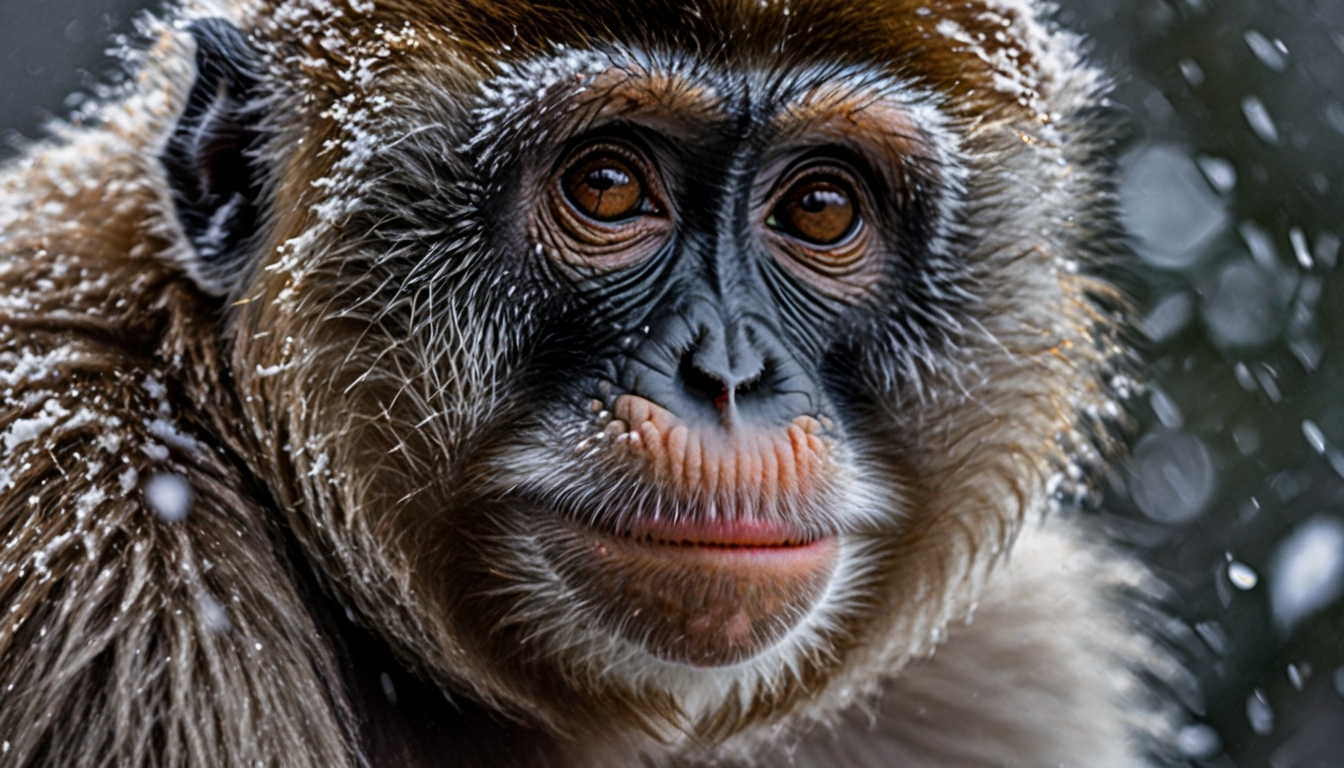

The Chilly Origins of Primates
This article from ScienceDaily Plants & Animals covers intriguing new findings that could reshape our understanding of where and how the earliest primates evolved. Traditionally, it was believed that primates originated in the warm, lush environments of tropical forests. However, this new study suggests a different narrative, placing the origins in the cold, dry regions of ancient North America.
Key Findings
- Origin in Cold Climates: The study proposes that the first primates lived not in tropical regions, but in the cooler, drier landscapes of what is now North America. This challenges long-held assumptions about the warm origins of our evolutionary lineage.
- Survival Strategies: The researchers suggest that these early primates may have adapted to harsh conditions, potentially surviving through strategies such as slowing their metabolism or even hibernating during the coldest months. This adaptability could have been a crucial factor in their survival and evolution.
- Influence of Climate Shifts: Rather than stable warmth, it appears that dramatic climate shifts played a significant role in driving the evolution and expansion of these early primates. Such conditions may have fostered the development of adaptive traits that were beneficial for surviving in varied environments.
- Implications for Human Evolution: These insights compel us to reconsider the environmental pressures that shaped the early stages of primate evolution, ultimately influencing the development of our own species. It underscores the complexity of evolutionary history and the potential for adaptation in response to environmental challenges.
These findings invite us to rethink the story of primate origins, highlighting the role of climate variability in shaping evolutionary paths. For those interested in exploring this shift in perspective further, you can read the full article for a more detailed account of the study and its implications.
Comments
No comments yet. Be the first!
Sign in to leave a comment.