Annual Celebration of Weight Gain in the Wild
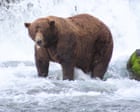
This article from The Guardian Environment covers an event that has become a beloved tradition for wildlife enthusiasts: Fat Bear Week. For the 12th consecutive year, Katmai National Park in Alaska invites the public to participate in selecting the fattest brown bear among its residents.
The Bears' Journey to Winter Readiness
As autumn descends upon Katmai, the park's brown bears gather around Brooks River. Here, they partake in a critical feeding frenzy, fueled by an abundance of salmon. This annual event is more than a spectacle; it is a survival strategy. By packing on pounds in preparation for hibernation, these bears are ensuring their survival through the harsh Alaskan winter.
Public Participation in Wildlife Observation
Fat Bear Week invites the public to engage with this natural phenomenon by voting for the bear that has gained the most weight. This interactive event educates participants about the bears' life cycles and the importance of healthy ecosystems. It allows nature enthusiasts from all over the globe to connect with these majestic creatures and appreciate the delicate balance of their environment.
The Importance of Salmon
Salmon play a pivotal role in this ecosystem. Their seasonal migration supports not only the bears but also a diverse array of wildlife. The health of the salmon population is a direct indicator of the broader ecological health of the region. Observing the bears' feeding habits sheds light on the interconnectedness of these species and their habitats.
Continuing the Tradition
With Fat Bear Week officially kicking off on Monday, it promises another year of insights into the lives of Katmai's bears. The event underscores the significance of conservation efforts that protect these natural processes and habitats, highlighting the need for ongoing commitment to preserving the environment.
For those interested in learning more about this unique event and its ecological implications, I encourage you to read the full article from The Guardian Environment.
Comments
No comments yet. Be the first!
Sign in to leave a comment.